

Why Macular Degeneration Screening Matters for Central Vision

Macular degeneration affects the macula, the part of the retina responsible for sharp, straight-ahead vision used for reading, driving, and recognizing faces. When the macula changes over time, symptoms can start subtly—wavy lines, dimmer colors, or a blurry spot in the center of your view. Because early stages may not be obvious, macular degeneration screening is an important step in protecting central vision before noticeable loss occurs.
Who Should Consider Screening
Age-related macular degeneration is more common after age 50, but risk is not based on age alone. Family history, smoking, cardiovascular health, and long-term UV exposure can also increase risk. If you have diabetes or other retinal concerns, routine retinal monitoring becomes even more valuable because multiple conditions can affect the macula and surrounding retinal tissue.
What a Screening Looks For
A thorough macular degeneration screening helps your eye doctor evaluate the health of the macula and identify changes that may indicate early AMD or other retinal issues. Screening can help detect signs such as retinal thinning or thickening, fluid, and structural disruption in the macular area—details that may not be visible with a basic view of the retina surface alone. Detecting changes early supports timely guidance, closer monitoring, and referrals when needed.
How Optovue Technology Supports Earlier Detection
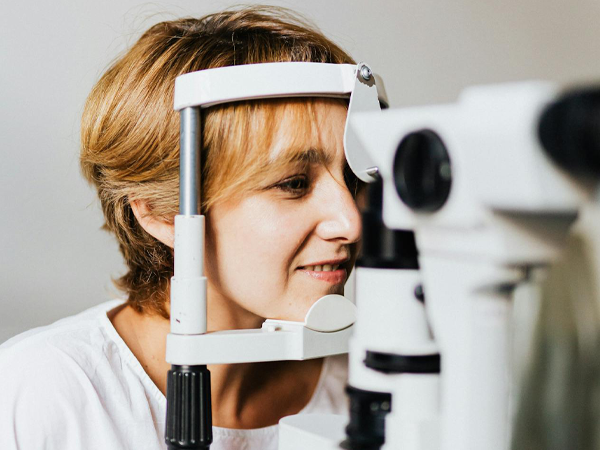
At Cincinnati Vision Group, Optovue technology is used to capture detailed retinal images with Optical Coherence Tomography (OCT), giving your eye doctor a cross-sectional view of the retina’s layers. This high-resolution imaging helps identify subtle macular changes that can be easy to miss during a standard exam, especially in early stages when symptoms have not started yet. Optovue wellness scans are quick, noninvasive, and designed to provide a clearer picture of what is happening beneath the retinal surface.
Benefits of Staying Proactive
Regular screening supports long-term vision planning, even if your sight feels fine today. If you already have early AMD, consistent monitoring helps track whether the condition is stable or changing. Benefits include:
Establishing a baseline image of your macula for future comparisons
Helping detect early retinal changes before central vision is affected
Supporting personalized follow-up schedules based on risk and findings
Guiding next steps if treatment, lifestyle changes, or specialist care is needed
When to Schedule a Macular Degeneration Screening
Many adults benefit from retinal screening as part of routine eye care, especially after age 50 or when risk factors are present. If you notice new distortion, difficulty reading, or a new blurred spot in your central vision, schedule an evaluation sooner rather than waiting for your next annual visit. Your optometrist can recommend the right frequency based on your retinal health, family history, and imaging results.
To schedule a macular degeneration screening and protect your central vision, contact Cincinnati Vision Group. Visit any of our offices in Cincinnati, Liberty Township, Dayton, or West Chester, Ohio. Call (513) 793-5970, (513) 712-5065, (513) 753-4981, (937) 435-4293, or (937) 579-0393 to book an appointment today.

Main
Services
© 2026 Eye Clinic. All Rights Reserved. Accessibility Statement - Privacy Policy - Sitemap