


The Link Between Screen Time and Myopia Progression in Children
The Link Between Screen Time and Myopia Progression in Children
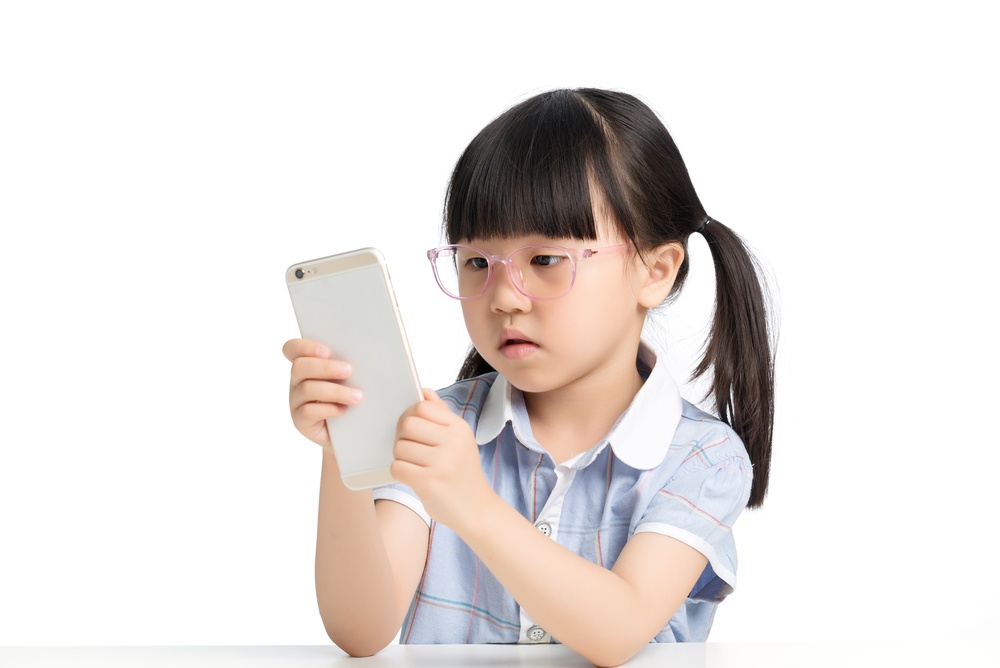
More children are spending long hours on screens for school, homework, entertainment, and communication. While digital devices are part of everyday life, extended screen time may contribute to eye strain and can be linked with behaviors that increase the risk of myopia progression.
Myopia, also known as nearsightedness, often begins in childhood and can continue to worsen as the eyes grow. When children spend more time focusing up close and less time outdoors, their eyes may be under added visual stress. For families in Cincinnati, understanding this connection can help parents take proactive steps to protect their child’s long-term vision.
How Screen Time Affects Children’s Eyes
Screen time usually involves prolonged near work. When children focus on tablets, computers, phones, or gaming devices for long periods, their eyes must work harder to maintain clear vision up close. This can lead to symptoms like eye fatigue, headaches, blurry vision, and difficulty shifting focus from near to far.
Screen time does not act alone, but it can be part of a larger pattern that affects vision development. Children who spend more time indoors often have less exposure to natural outdoor light, which plays an important role in healthy eye growth.
What Parents Should Know About Myopia Progression
Myopia is more than needing stronger glasses each year. When nearsightedness progresses, the eye often grows longer than normal. Higher levels of myopia can increase the risk of serious eye health concerns later in life, including retinal problems, glaucoma, and other vision complications.
Early detection is important because children may not always notice or explain changes in their vision. They may sit closer to screens, squint, lose interest in reading, or struggle to see the board at school.
Signs Your Child May Need An Eye Exam
Parents should pay attention to changes in visual habits, especially if screen use has increased. Common signs that your child may need a pediatric eye exam include:
• Squinting or closing one eye to see clearly
• Holding screens, books, or homework very close
• Complaining of headaches or tired eyes
• Trouble seeing distant objects clearly
• Frequent blinking, eye rubbing, or watery eyes
• Declining school performance or difficulty focusing
Healthy Screen Habits For Children
Reducing visual stress starts with daily habits. Encourage children to take regular screen breaks, keep devices at a comfortable distance, and avoid holding screens too close to their face. Outdoor time is also important, especially for children who are at risk for myopia or already wear glasses.
A helpful rule is to remind children to pause often and look away from near work. Better posture, proper lighting, and limiting recreational screen time can also support more comfortable vision.
How Myopia Management Can Help
If your child’s prescription is changing quickly, a standard pair of glasses may not be the only option. Myopia management focuses on slowing progression while helping children see clearly. Depending on the child’s age, prescription, eye health, and lifestyle, treatment options may include specialized contact lenses, orthokeratology, or other customized approaches. Our eye care team can evaluate your child’s vision, monitor changes over time, and discuss whether myopia management may be appropriate.
Schedule a pediatric eye exam at Cincinnati Vision Group to find out if screen time may be affecting your child’s vision and to learn if myopia management is the next step. Visit any of our offices in Cincinnati, Liberty Township, Dayton, or West Chester, Ohio. Call (513) 793-5970, (513) 712-5065, (513) 753-4981, (937) 435-4293, or (937) 579-0393 to book an appointment today.

Main
Services
© 2026 Eye Clinic. All Rights Reserved. Accessibility Statement - Privacy Policy - Sitemap