

Signs Your Infant Might Need an Eye Exam
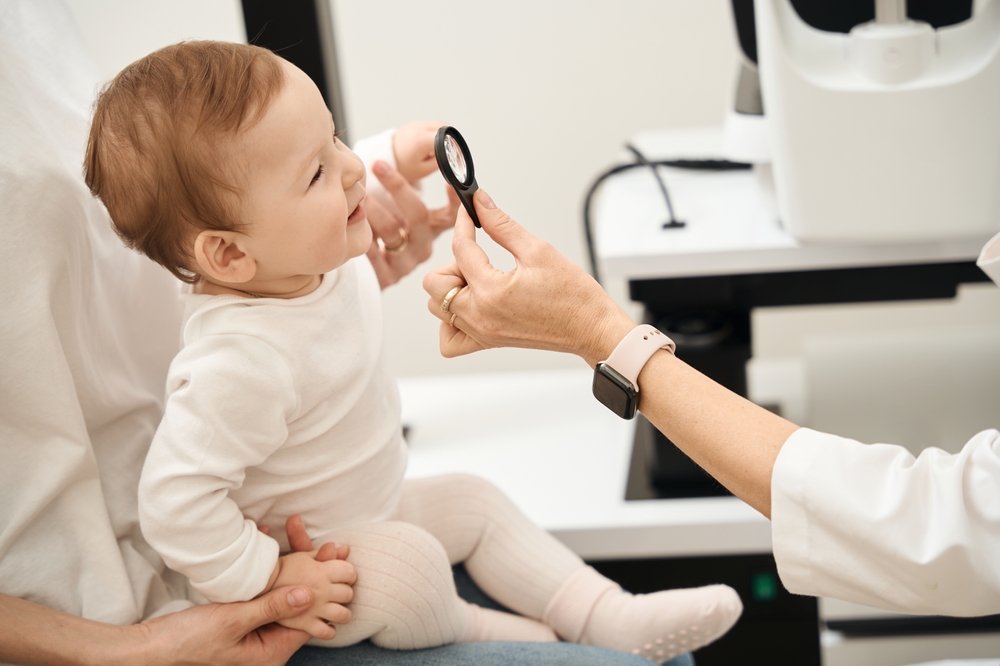
As a parent, you’re constantly watching your baby grow and reach new milestones. From their first smile to their first steps, every stage matters. But one area that’s often overlooked during infancy is eye health. Clear vision plays a crucial role in your child’s development - including motor skills, learning, and social interaction. While many parents assume vision problems won’t show up until school age, issues can begin much earlier.
Why Infant Eye Exams Are Essential
Vision develops rapidly during the first year of life. The brain and eyes must work together to form clear images and build strong visual pathways. If a problem such as poor focusing, eye misalignment, or significant refractive error goes undetected, it can interfere with development and, in some cases, lead to long-term vision issues.
The American Optometric Association recommends that infants have their first comprehensive eye exam between 6 and 12 months of age. Early detection is key - many vision problems are easier to correct when caught early.
Cincinnati Vision Group participates in the InfantSEE® program, which provides a no-cost comprehensive eye assessment for infants within their first year of life. This gives parents peace of mind and ensures their baby’s visual development is on track.
Signs Your Infant Might Need an Eye Exam
While some babies won’t show obvious symptoms, certain signs can indicate the need for a professional evaluation.
Constant Eye Turning or Misalignment: It’s common for newborns’ eyes to occasionally appear crossed during the first few months. However, if one or both eyes consistently turn inward, outward, upward, or downward after 4 months of age, it could signal strabismus (eye misalignment). Early treatment helps prevent amblyopia (lazy eye) and supports proper visual development.
Extreme Light Sensitivity: If your baby frequently squints, closes their eyes, or seems unusually sensitive to light, it could be a sign of a vision issue or an eye health concern that needs attention.
Lack of Eye Contact: By around 6 to 8 weeks, infants typically begin making eye contact and tracking faces. If your baby avoids eye contact or doesn’t focus on faces, it may be worth scheduling a pediatric eye exam.
Difficulty Tracking Objects: Around 3 months of age, babies should be able to follow moving objects with their eyes. If your infant struggles to track toys or moving lights, or frequently loses focus, it could indicate a developmental delay in visual skills.
Family History of Eye Conditions: If you or close family members have a history of high prescriptions, lazy eye, crossed eyes, or other vision conditions, your infant may be at higher risk. Early screening is especially important in these cases.
What Happens During a Pediatric Eye Exam?
Infant eye exams are gentle, non-invasive, and designed specifically for babies. At Cincinnati Vision Group, we assess:
Eye alignment and movement
Focusing ability
Refractive errors (nearsightedness, farsightedness, astigmatism)
Eye health and development
Even before a child can speak or recognize letters, specialized techniques allow optometrists to evaluate how well their eyes are functioning.
Help Your Child See Their World Clearly
Your baby’s eyes play a vital role in how they explore and understand the world. Recognizing early warning signs and scheduling a pediatric eye exam during the first year helps ensure healthy visual development from the start.
If you’ve noticed any concerning eye symptoms in you child, Cincinnati Vision Group is here to help. Our experienced team provides compassionate, thorough pediatric eye exams and participates in the InfantSEE® program to support families during this critical stage of growth. Visit any of our offices in Cincinnati, Liberty Township, Dayton, or West Chester, Ohio. Call (513) 793-5970, (513) 712-5065, (513) 753-4981, (937) 435-4293, or (937) 579-0393 to book an appointment today.


Main
Services
© 2026 Eye Clinic. All Rights Reserved. Accessibility Statement - Privacy Policy - Sitemap