

My Vision Is Perfect - Do I Still Need Annual Eye Exams?
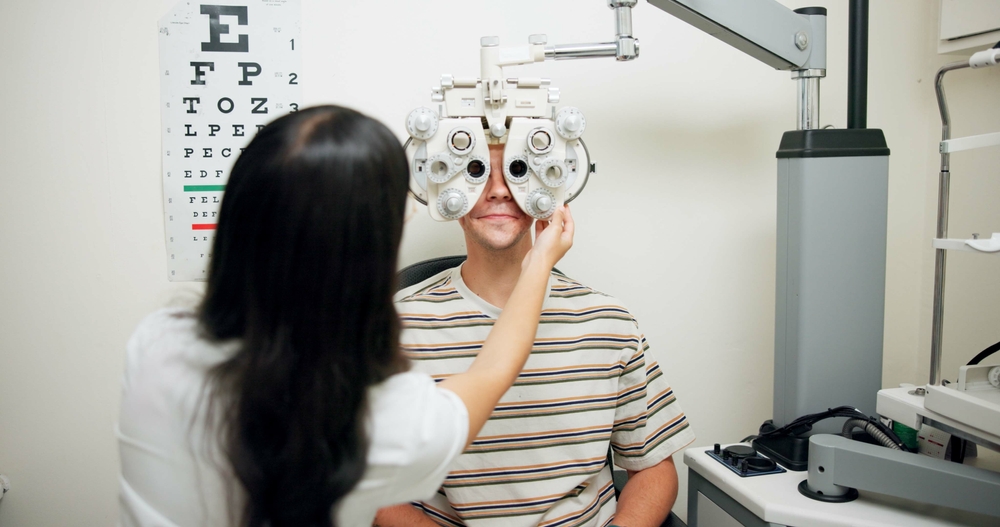
If you see clearly, read road signs without squinting, and don’t struggle with screens, it’s easy to assume your eyes are perfectly healthy. Many people think eye exams are only necessary once vision becomes blurry or uncomfortable. But clear vision doesn’t always tell the whole story. Even if your eyesight seems flawless, routine eye exams play a critical role in protecting not just your vision, but your overall health.
Clear Vision Doesn’t Mean Nothing Is Changing
Vision changes often happen so gradually that they’re easy to miss. Your brain is good at adapting, compensating for small shifts in focus, depth perception, or contrast sensitivity without you noticing.
You might not realize that:
One eye is working harder than the other
Night vision isn’t as sharp as it used to be
Reading fatigue or eye strain is becoming more frequent
Colors don’t appear as vivid as they once did
Because these changes happen slowly, many people assume everything is normal - until a problem becomes more noticeable or disruptive. Annual exams help catch these subtle changes early, before they begin affecting daily life.
Many Eye Diseases Have No Early Symptoms
One of the most important reasons to maintain yearly eye exams is early detection. Several serious eye conditions can develop silently, without pain or obvious vision loss in their early stages.
Conditions such as glaucoma, macular degeneration, and diabetic eye disease may cause permanent vision damage long before symptoms appear. By the time changes are noticeable, treatment options can be more limited.
Regular eye exams allow your eye doctor to:
Evaluate eye pressure and optic nerve health
Examine the retina and blood vessels
Detect early structural changes in the eye
Monitor risk factors based on age and family history
Catching eye disease early can preserve vision and, in many cases, prevent irreversible damage.
Your Eyes Reveal More Than Just Vision Health
An eye exam isn’t just about how well you see - it’s also a window into your overall health. The eyes provide a unique view of blood vessels, nerves, and tissues that can reveal signs of systemic conditions.
During an exam, eye doctors may detect early indicators of:
Diabetes
High blood pressure
High cholesterol
Autoimmune or inflammatory conditions
Neurological concerns
In some cases, an eye exam is the first place these health issues are discovered. Identifying them early allows patients to seek timely care and potentially avoid more serious complications.
Vision Needs Change Over Time - Even When You Don’t Notice
Even people with “perfect” vision can benefit from regular monitoring. As you age, natural changes occur in the eyes that may not immediately affect clarity but can influence comfort, endurance, and visual performance.
Annual exams help assess:
Eye alignment and coordination
Focusing ability, especially for near tasks
Digital eye strain and screen-related fatigue
Early signs of presbyopia or dry eye
Addressing these issues early can improve comfort, productivity, and long-term visual health - even if glasses or contacts aren’t currently needed.
Children and Adults Both Benefit From Routine Exams
For children and teens, eye exams are essential for learning and development. Vision problems can impact reading, attention, and academic performance, often without a child realizing anything is wrong.
For adults, especially those with a family history of eye disease or chronic health conditions, routine exams are an important preventive step. Even healthy adults with no symptoms benefit from establishing a baseline and monitoring changes over time.
Schedule a Comprehensive Eye Exam at Cincinnati Vision Group Today
Perfect vision today doesn’t guarantee healthy eyes tomorrow. Subtle vision changes, silent eye diseases, and signs of systemic health conditions can all go unnoticed without regular eye care. Annual eye exams provide peace of mind, early detection, and personalized guidance to help protect your vision for years to come.
Schedule your annual comprehensive eye exam with Cincinnati Vision Group and take an important step toward protecting both your eyesight and your overall health. Visit any of our offices in Cincinnati, Liberty Township, Dayton, or West Chester, Ohio. Call (513) 793-5970, (513) 712-5065, (513) 753-4981, (937) 435-4293, or (937) 579-0393 to book an appointment today.


Main
Services
© 2026 Eye Clinic. All Rights Reserved. Accessibility Statement - Privacy Policy - Sitemap