

Blog list
Eye Clinic Blog
Learn more about optometrist care in our blog!

A standard eye exam is essential for checking vision, updating a prescription, and evaluating overall eye health. However, some changes in the retina and optic nerve can begin before they cause noticeable symptoms or become easy to see during routine testing. This is where an Optovue Wellness Scan can add valuable information.

As families prepare for a new school year in Cincinnati, clear vision should be part of the back-to-school checklist. Nearsightedness, also called myopia, can make it harder for students to see the board, read classroom materials from a distance, and participate comfortably in sports or activities.
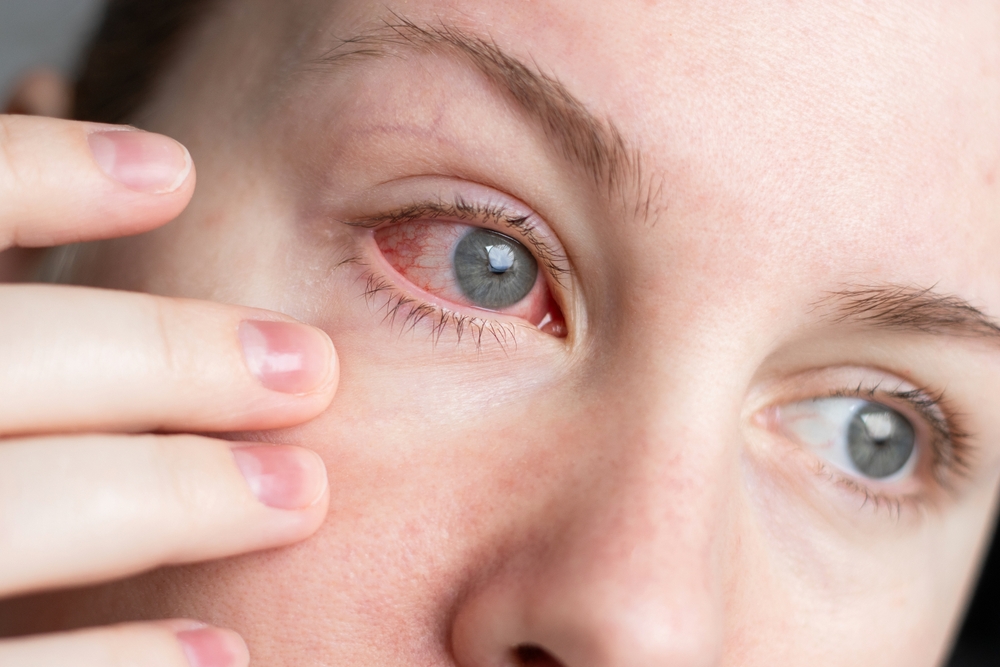
Artificial tears can be helpful for occasional dryness, but they do not always address the reason your eyes feel irritated in the first place. For many patients, dry eye is connected to inflammation, clogged oil glands, or eyelid concerns that affect the quality of the tear film. When the tears evaporate too quickly, symptoms can continue even with regular use of eye drops.

More children are spending long hours on screens for school, homework, entertainment, and communication. While digital devices are part of everyday life, extended screen time may contribute to eye strain and can be linked with behaviors that increase the risk of myopia progression.

Myopia, or nearsightedness, is becoming more common in children, and it often gets worse as they grow. Myopia management is a proactive approach that does more than correct blurry distance vision - it focuses on slowing the progression of myopia over time. At Cincinnati Vision Group, myopia management can help families take early steps to protect long-term eye health.

Macular degeneration affects the macula, the part of the retina responsible for sharp, straight-ahead vision used for reading, driving, and recognizing faces. When the macula changes over time, symptoms can start subtly—wavy lines, dimmer colors, or a blurry spot in the center of your view.
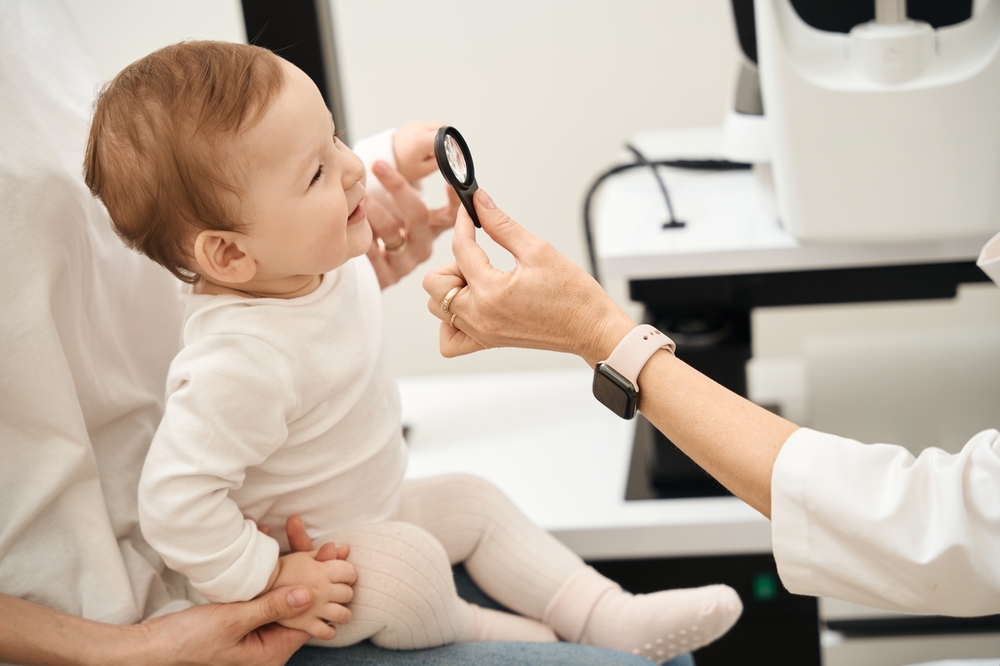
As a parent, you’re constantly watching your baby grow and reach new milestones. From their first smile to their first steps, every stage matters. But one area that’s often overlooked during infancy is eye health. Clear vision plays a crucial role in your child’s development - including motor skills, learning, and social interaction. While many parents assume vision problems won’t show up until school age, issues can begin much earlier.
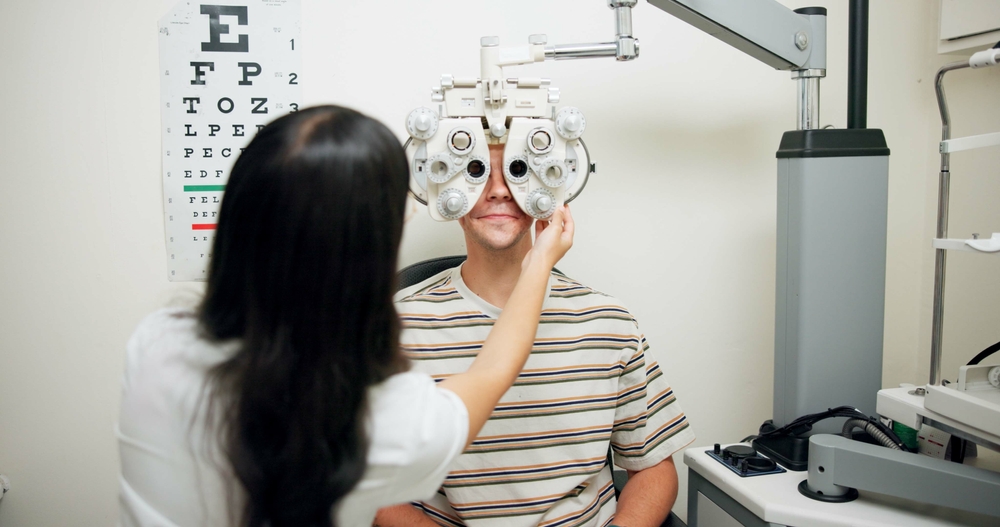
If you see clearly, read road signs without squinting, and don’t struggle with screens, it’s easy to assume your eyes are perfectly healthy. Many people think eye exams are only necessary once vision becomes blurry or uncomfortable. But clear vision doesn’t always tell the whole story. Even if your eyesight seems flawless, routine eye exams play a critical role in protecting not just your vision, but your overall health.
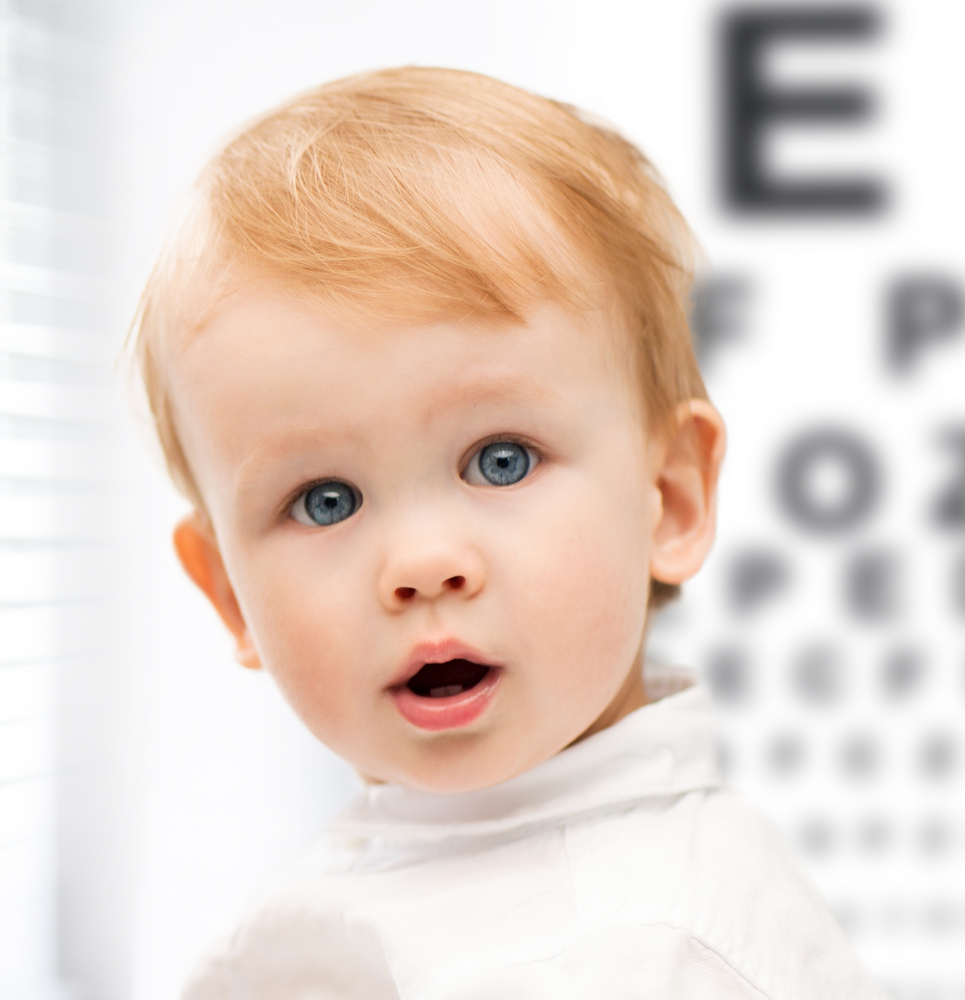
As parents, you want to give your baby the best start in life - and that includes protecting their vision. Many parents don’t realize that eye and vision problems can begin in infancy, even before any noticeable symptoms appear. At Cincinnati Vision Group, we’re participate in the InfantSEE® program and help parents feel confident about their child’s visual development. Below, we’ve answered some of the most frequently asked questions about InfantSEE® to help you understand how it works and why it’s so important.

Corneal Refractive Therapy (CRT) is a non-surgical vision correction method designed to temporarily reshape the cornea while you sleep. Using specially designed gas-permeable contact lenses, CRT gently changes the curvature of your cornea to improve how light focuses on your retina, allowing you to see clearly throughout the day - without the need for glasses or daytime contact lenses.

Main
Services
© 2026 Eye Clinic. All Rights Reserved. Accessibility Statement - Privacy Policy - Sitemap